How Real-Time IoT Monitoring Reduced Energy Costs by 28% in a Multi-Site Manufacturing Operation
February 22, 2026
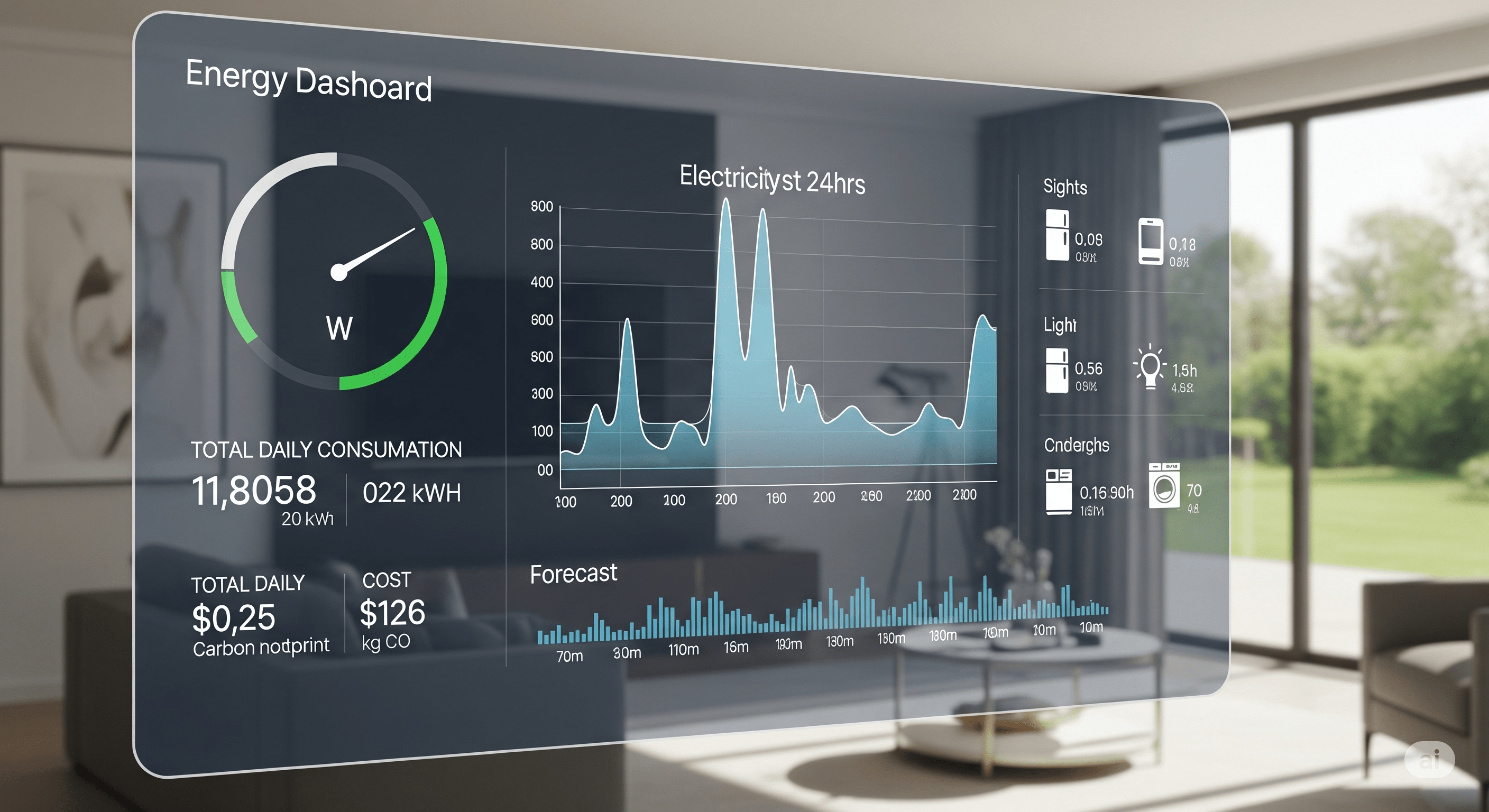
Energy costs represent one of the largest operational expenses in manufacturing, commercial buildings, and industrial facilities. However, most organizations still rely on monthly electricity bills and manual audits to understand their energy consumption patterns. This reactive approach leads to waste, inefficiency, and missed optimization opportunities. This article is a detailed cluster page supporting our main MQTT Dashboard guide.
This case study explores how a multi-site manufacturing company implemented a real-time IoT energy management system powered by an MQTTfy Dashboard, achieving measurable reductions in energy consumption, operational waste, and peak demand penalties.
By combining smart energy meters, edge gateways, MQTT communication, and a cloud-based IoT dashboard, the organization transformed raw power data into actionable intelligence.
The Business Problem
The company operated:
- 3 manufacturing plants
- 2 warehouse facilities
- 1 corporate office
Their challenges included:
- No real-time visibility into electricity consumption
- High peak demand penalties
- Inefficient machine energy usage
- Difficulty identifying energy leaks
- Lack of historical analytics
- No automated alerting
Monthly utility bills showed total usage, but they provided no insight into:
- Which machines consumed the most power
- When peak load spikes occurred
- How energy demand fluctuated during shifts
- Whether idle equipment was consuming power
The organization needed a scalable industrial IoT energy monitoring solution, a topic we cover in our Industrial Monitoring case study.
Why MQTT-Based IoT for Energy Management?
Energy meters generate frequent telemetry data — often every few seconds. Traditional polling systems can overload networks and require complex infrastructure.
MQTT offers:
- Lightweight publish-subscribe architecture
- Low bandwidth communication
- Reliable message delivery
- Scalability for thousands of devices
- Secure TLS encryption
- Edge compatibility
Using an MQTTfy Dashboard allowed seamless integration between smart meters and cloud analytics.
System Architecture Overview
The deployed energy monitoring system followed a structured IoT architecture:
This architecture is a classic example of an Industrial Monitoring setup.
Each facility installed:
- Three-phase energy meters
- Power factor sensors
- Current transformers (CT clamps)
- Voltage monitoring modules
- Machine-level submeters
These meters measured:
- Voltage (V)
- Current (A)
- Real power (kW)
- Reactive power (kVAR)
- Apparent power (kVA)
- Energy consumption (kWh)
- Power factor
Edge Gateway Layer
Each plant had an industrial gateway that:
- Collected Modbus data
- Converted readings into JSON
- Published MQTT messages
- Subscribed to load control commands
- Buffered data during network outages
| Topic | Purpose | Payload Example |
|---|---|---|
energy/plant1/machineA/power | Real-time electrical data from the 7th floor HVAC unit. | {"kw": 25.5, "kwh": 4580.2, "pf": 0.92} |
energy/plant1/machineA/voltage | Real-time data from the 7th floor lighting circuits. | {"kw": 8.2, "kwh": 1205.5, "pf": 1.0} |
energy/plant2/mainline/kwh | Reports flow rate and total consumption from the main water meter, relevant to aquaculture. | {"flow_gpm": 15, "total_gal": 85200} |
energy/warehouse1/hvac/current | Reports consumption from a gas boiler. | {"flow_cfm": 30, "total_cf": 12980} |
MQTT Broker Layer
The MQTT broker:
- Managed device authentication
- Ensured encrypted communication
- Distributed telemetry messages
- Supported horizontal scaling
MQTTfy Dashboard Layer
The MQTTfy Dashboard provided:
- Real-time energy monitoring
- Historical analytics
- Peak demand tracking
- Automated alerts
- Multi-site comparison
- Role-based access
Data Payload Structure
Each meter published JSON telemetry:
{
  "timestamp": 1700000000,
  "voltage": 415,
  "current": 38.2,
  "power_kw": 27.5,
  "power_factor": 0.92,
  "energy_kwh": 15432.8
}
This structured format allowed efficient parsing in MQTTfy widgets.
Dashboard Design Strategy
The energy management dashboard was divided into layers. The principles of building an effective IoT dashboard were followed throughout.
Global Overview
- Total energy consumption across all sites
- Live peak demand value
- Current total load (kW)
- Average power factor
- Daily energy cost estimate
Plant-Level Monitoring
Each plant dashboard displayed:
- Machine-level power consumption
- Voltage stability graph
- Power factor trend
- Shift-based energy comparison
- Real-time load curve
Machine-Level Detail
- Instantaneous power usage
- Idle power detection
- Efficiency ratio
- Alert log
This multi-layer approach provided visibility at both macro and micro levels.
Real-Time Energy Monitoring in Action
Before implementation, energy spikes went unnoticed.
After MQTTfy deployment:
- Operators could see load spikes instantly
- Alerts triggered when power exceeded thresholds
- Idle machines consuming power were flagged
- Energy waste during non-production hours became visible
Real-time visibility is critical for industrial energy optimization.
Automated Alerts and Smart Load Control
Threshold-based rules were configured:
- Power factor < 0.85 → Alert
- Load > 80% capacity → Warning
- Machine idle power > threshold → Flag
- Voltage fluctuation > 5% → Notify
In some plants, automation was added:
- Non-critical equipment automatically shut down during peak demand
- HVAC systems adjusted dynamically
- Load balancing triggered during overload risk
This reduced peak demand penalties significantly.
Quantifiable Results
After 9 months of deployment:
- 28% Reduction in Overall Energy Costs: Through waste identification and load balancing.
- 35% Reduction in Peak Demand Charges: By managing real-time load spikes.
- Improved Power Factor from 0.82 to 0.95: Reducing utility penalties.
- Idle Energy Waste Reduced by 40%: Through machine-level monitoring.
- Faster Maintenance Decisions: Electrical anomalies were detected early.
Historical Analytics and Predictive Insights
Using MQTTfy Dashboard historical dashboards, the company identified:
- Energy spikes during shift changeovers
- Weekend baseline load higher than expected
- Seasonal cooling energy variations
- Production line inefficiencies
By analyzing time-series data with good data visualization tools:
- Maintenance schedules were optimized
- Equipment upgrades prioritized
- Energy procurement contracts renegotiated
Multi-Site Comparison
MQTTfy allowed centralized comparison between facilities.
Management could compare:
- kWh per production unit
- Peak demand patterns
- Power factor performance
- Energy cost per shift
This competitive benchmarking improved internal efficiency.
Scalability and Performance
The system scaled to:
- 400+ smart meters
- 6 facilities
- 25 production lines
- Millions of MQTT messages daily
Performance remained stable due to:
- Efficient topic hierarchy
- Optimized payload size
- Lightweight MQTT protocol
- Broker clustering
This scalability is also critical for large-scale projects like smart cities.
Security Measures Implemented
Industrial energy systems require strong security.
Implemented safeguards included:
- TLS encrypted MQTT communication
- Device-specific authentication tokens
- Role-based dashboard access
- Secure API endpoints
- Network segmentation
Security ensured operational integrity and prevented unauthorized control.
Bandwidth Optimization Strategy
Since facilities used fiber and backup 4G:
- Telemetry sent every 5 seconds
- Aggregated metrics every minute
- Historical batching enabled
- Payload compression implemented
Average data usage remained manageable despite scale, a key consideration for fleet management as well.
Advanced Features Added Later
After successful deployment, additional features were integrated:
- Carbon Emission Tracking: Energy data converted into CO₂ estimates.
- Renewable Energy Monitoring: Solar generation data integrated into the MQTTfy Dashboard.
- AI-Based Load Forecasting: Predictive analytics to estimate next-day peak demand.
- Energy Cost Estimation: Live cost calculation based on tariff structure.
Why MQTTfy Was Critical
Compared to generic energy monitoring tools, MQTTfy offered:
- Native MQTT integration
- Real-time data visualization
- Custom JSON parsing
- Easy automation rules
- Multi-tenant architecture
- Scalable dashboard performance
The ability to configure dashboards without heavy backend development accelerated rollout, which is also a benefit for smart farming applications.
Financial Impact and ROI
The investment in the IoT energy management system achieved ROI within 14 months.
Savings came from:
- Reduced demand charges
- Lower electricity consumption
- Avoided equipment failures
- Optimized operational scheduling
Energy intelligence became a competitive advantage.
Future Roadmap
The company plans to expand:
- Water usage monitoring
- Compressed air system monitoring
- Gas consumption tracking
- Full ESG compliance reporting
MQTTfy will remain the centralized IoT dashboard platform.
Conclusion
This energy management case study demonstrates how an MQTTfy Dashboard enables organizations to transform raw electrical data into actionable intelligence.
By combining:
- Smart meters
- Edge gateways
- MQTT communication
- Real-time dashboards
- Automated alerting
- Historical analytics
The company achieved measurable reductions in cost, waste, and operational inefficiencies.
Industrial IoT energy management is no longer optional — it is essential for sustainable and profitable operations. This is as true for retail analytics as it is for manufacturing.
MQTTfy provides:
- Scalable architecture
- Secure connectivity
- Real-time visibility
- Intelligent automation
- Enterprise-ready performance
As energy prices rise and sustainability regulations tighten, IoT-powered energy monitoring systems will define the future of smart industry.
Frequently Asked Questions
What is a non-invasive current transformer (CT) clamp?
A CT clamp is a sensor that you can clip around an electrical wire without cutting it. It measures the magnetic field created by the current flowing through the wire and converts it into a proportional electrical signal. This allows you to safely and easily measure the power consumption of a circuit, a machine, or even an entire building.
What is the difference between real power (kW) and apparent power (kVA)?
Real power (kW) is the actual power used by a device to do work. Apparent power (kVA) is the total power supplied to the circuit, including real power and reactive power (power that sloshes back and forth in the circuit, typically due to motors). The ratio between them is the Power Factor. Monitoring both is important because utility companies can charge extra for a low power factor.
How can an MQTT dashboard help with demand-response programs?
Demand-response programs involve reducing energy consumption during peak grid load times to earn incentives from the utility. A real-time MQTT dashboard is crucial for this. It can visualize the current grid status (via a public MQTT feed from the utility) and your own consumption. You can then use the dashboard to manually or automatically shut down non-essential loads (like HVAC systems or pumps) to meet the demand-response requirements.
What is submetering?
Submetering is the practice of installing secondary meters downstream from the main utility meter to measure the consumption of specific areas or equipment. For example, installing meters on each floor of a building or on each large HVAC unit. This provides granular data that is essential for identifying exactly where energy is being wasted.
How do you calculate energy cost on the dashboard?
Most dashboards have a feature to perform calculations on incoming data. You can create a 'Formula' widget that takes the cumulative energy consumption (kWh) from a topic like 'facility/main/kwh/total', multiplies it by your electricity price (e.g., $0.15/kWh), and displays the result as a real-time cost estimate.